
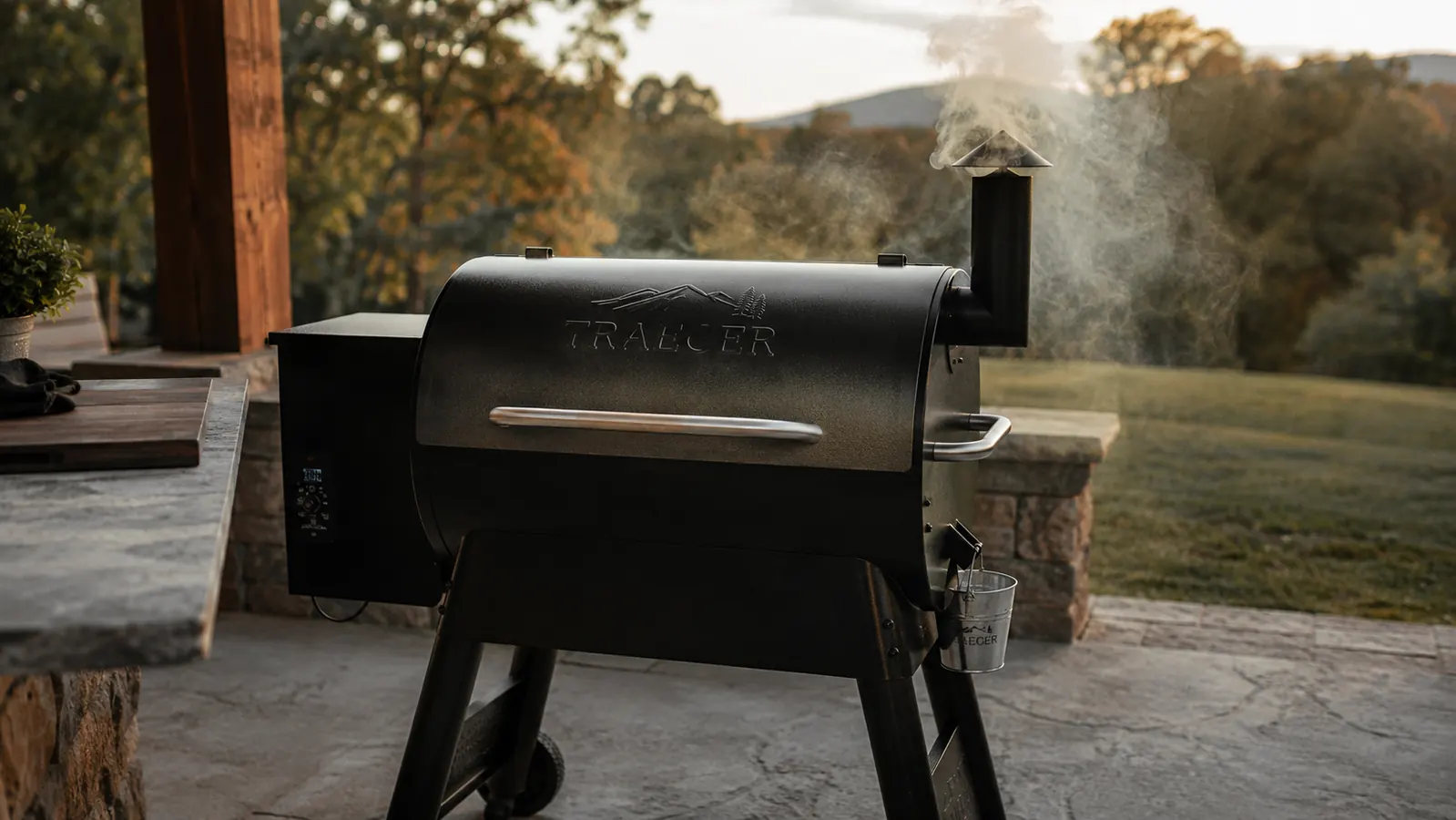
I run a Traeger pellet grill on the back patio most weekends, and for the first two years I owned it, I skipped the grease management part almost entirely. I'd unhook the drip tray, dump what was in it into the yard behind the fence line, and figure that was good enough. It wasn't. By the second summer I had a grease stain on the concrete pad that never came out and a raccoon that started showing up around dusk. That's when I actually bought the Traeger grease bucket system, the real HDW152 bucket with the liners, instead of just using whatever I had lying around. This article is about that bucket against the thing I used before it and still use on my kettle: a folded piece of heavy-duty foil shaped into a makeshift pan.
The short answer, if you don't want to read the whole comparison: the Traeger bucket wins on convenience and containment, especially for anyone running a pellet grill most weekends like I do. The foil pan wins on cost and on not having one more thing sitting on your grill cart. Which one you actually want depends on how often you're cooking and how much you hate scrubbing grease off concrete.
I want to be clear before we get into it, this isn't really an apples to apples product comparison. The Traeger bucket is a purpose built accessory that costs money and mounts to a specific grill design. The foil pan isn't a product at all, it's just what most of us default to because it's free and it's already in the house. But enough people ask me which one is actually worth the trouble that I figured it was worth laying it out honestly, including where the free option wins.
| Traeger Grease Bucket System | Foil Catch Pan | |
|---|---|---|
| Cost to get started | Priced like a specialty grill accessory, plus liners over time | Free, just heavy-duty foil you likely already have |
| Fitting an odd-shaped drip zone | Built for a Traeger's specific hopper shape, not much give | Molds to whatever shape you need that day |
| Grease containment on a windy day | Sealed bucket, doesn't budge even with gusts | Flat pan can tip or slide if it's not weighted down |
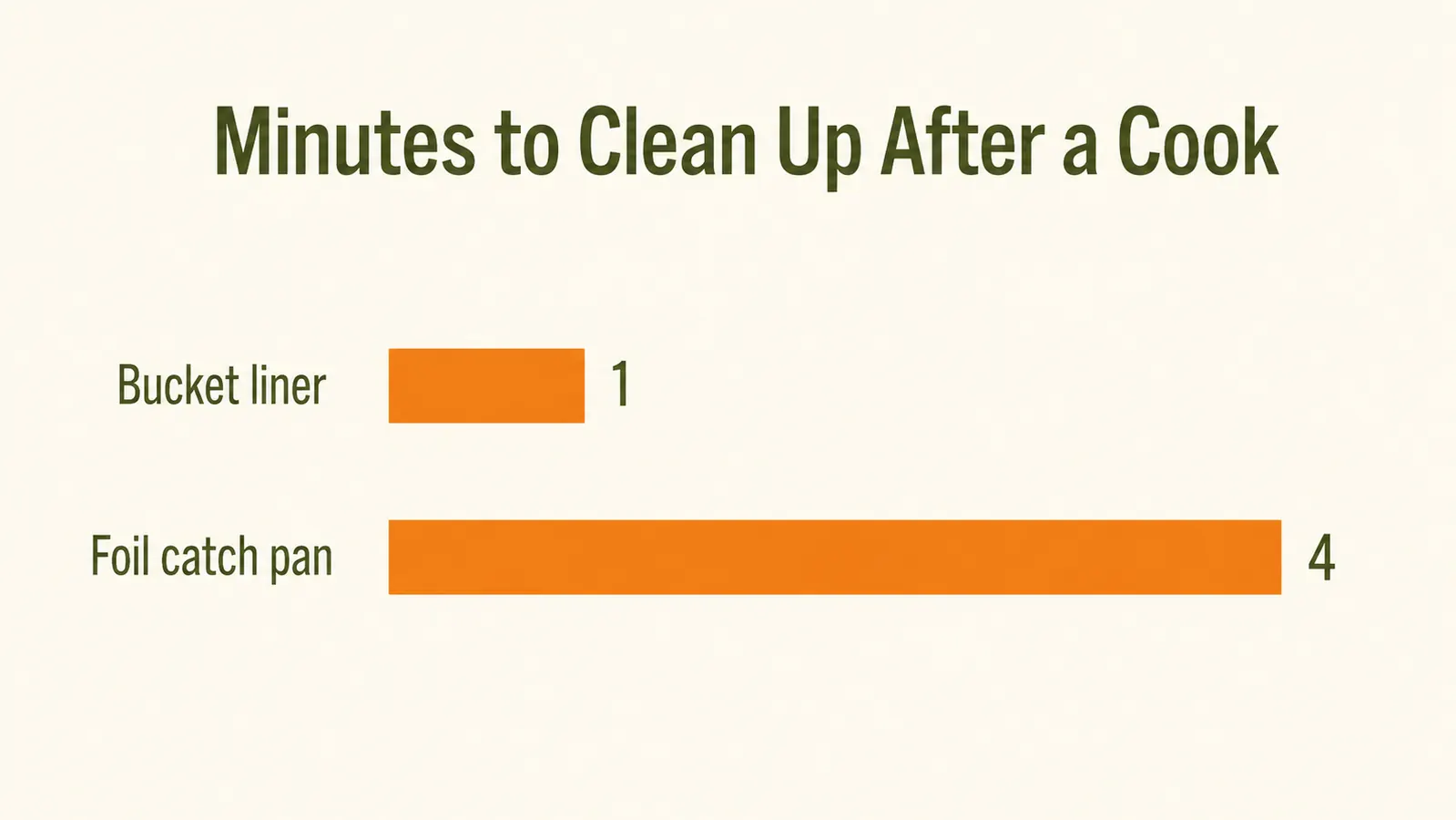
| Cleanup time after a long smoke | About 1 minute, lift the liner and tie it off | About 4 minutes folding hot, greasy foil without spilling |
| Grease capacity across an all-day cook | Holds a full cook's drippings without emptying | Fills and sags faster, especially on a fatty brisket |
| What's left to store between cookouts | One more bucket taking up space on the cart | Nothing, you toss the foil and start fresh next time |
| Risk of a grease flare-up | Grease drains away from the fire into a sealed container | Grease sits closer to the heat and can catch if the pan overflows |
Where the Traeger Grease Bucket Wins
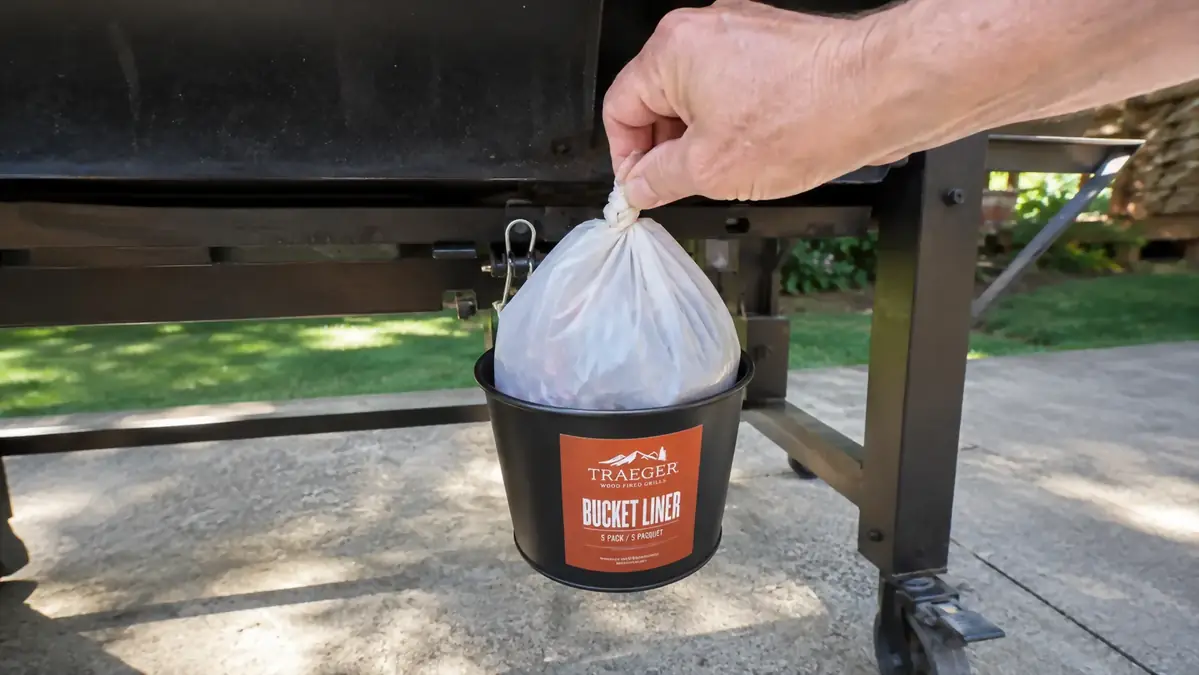
The single biggest reason I switched was the wind. We get real gusts off the open field behind our place some Saturdays, the kind that'll pick up a paper plate off the table and send it into the neighbor's yard. A foil pan sitting under the grease drain has no weight to it once it's a third full, and I lost half a pan's worth of hot grease across the patio pavers more than once before Renata told me to figure something out. The Traeger bucket hangs off a hook underneath the barrel, sealed, and it does not care how hard the wind is blowing. That alone has saved me a cleanup job every single time.
The other thing the bucket handles better is volume. When I'm doing a full brisket for a church potluck, that's ten, twelve hours of a cook rendering fat the whole time. A foil pan is maybe good for two or three hours before it's sagging in the middle and close to overflowing, and I've had to swap it out mid cook more than once, which means opening the grill, losing heat, and dealing with a hot pan full of grease with nowhere good to set it down. The Traeger bucket just keeps collecting. I've run it through an entire all-day cook without touching it once.
Cleanup with the bucket takes me about a minute. I use the liners Traeger sells for it, and when the cook's done I pull the liner out by the drawstring, tie it off, and drop it straight in the trash can. No scraping, no scrubbing a pan, no grease smell lingering on a rag I forgot about in the garage. My son Owen actually commented on it the first time he saw me do it, since he remembers the old foil pan routine from when he still lived at home.
Restocking liners is about as low maintenance as grill gear gets. I buy a box that lasts most of a season, keep a few in the drawer under the cart, and never think about it until the box is empty. Compare that to constantly folding fresh foil every single time you fire up the grill, and the bucket starts looking like less overall work, not just less mess in the moment.
There's also the smell. Grease that sits in an open foil pan under a hot grill for hours starts to smell rancid by the time you're cleaning up, especially in July. The bucket liner seals with a drawstring the second I pull it, so that smell doesn't sit on the patio while I'm trying to enjoy the rest of the evening with everyone still standing around. Small thing, but after a few summers of it you notice.
Where the Foil Catch Pan Wins
None of that means the foil pan is a bad option, and I still use one under my kettle grill because there's no factory drip system built into that setup. The biggest advantage is cost. A roll of heavy-duty foil is something most of us already have in the kitchen drawer, and molding a pan out of it costs nothing beyond what you'd spend anyway. The bucket and its liners are a real purchase, and if you're cooking three or four times a year instead of most weekends, that math doesn't make much sense.
Foil also wins on flexibility. My kettle doesn't have a hopper shaped like a Traeger's, so there's no dedicated spot for a bucket to hang. I mold the foil to whatever shape the coals and the drip zone need that day, which is something a rigid bucket system can't do. If Danielle's friends show up and we end up cooking on two grills at once, I can make a second foil pan in about thirty seconds. There's no equivalent quick fix with the bucket.
And there's genuinely nothing to store. The bucket takes up a spot on the cart whether I'm using the grill that day or not, and Gil, who borrows half my tools and never brings them back, has already asked twice if he can 'just take the bucket for a weekend.' The foil pan doesn't exist until I make it and it's gone in the trash the second the cook's over. If storage space on your patio or in your garage is tight, that's worth something.
There's one more edge the foil pan has that I didn't expect going in. It's disposable in a way that feels total. Nothing to rinse, nothing that eventually needs replacing because the liner drawer sticks or the bucket cracks in a hard freeze. Every single foil pan starts brand new. That's a real advantage if you're the kind of person who forgets maintenance until something fails.
Tired of Scraping Grease Off the Patio Every Weekend?
The Traeger grease bucket system hangs right under the barrel and holds a full cook's worth of drippings without you touching it once.
Amazon Check Today's Price on Amazon →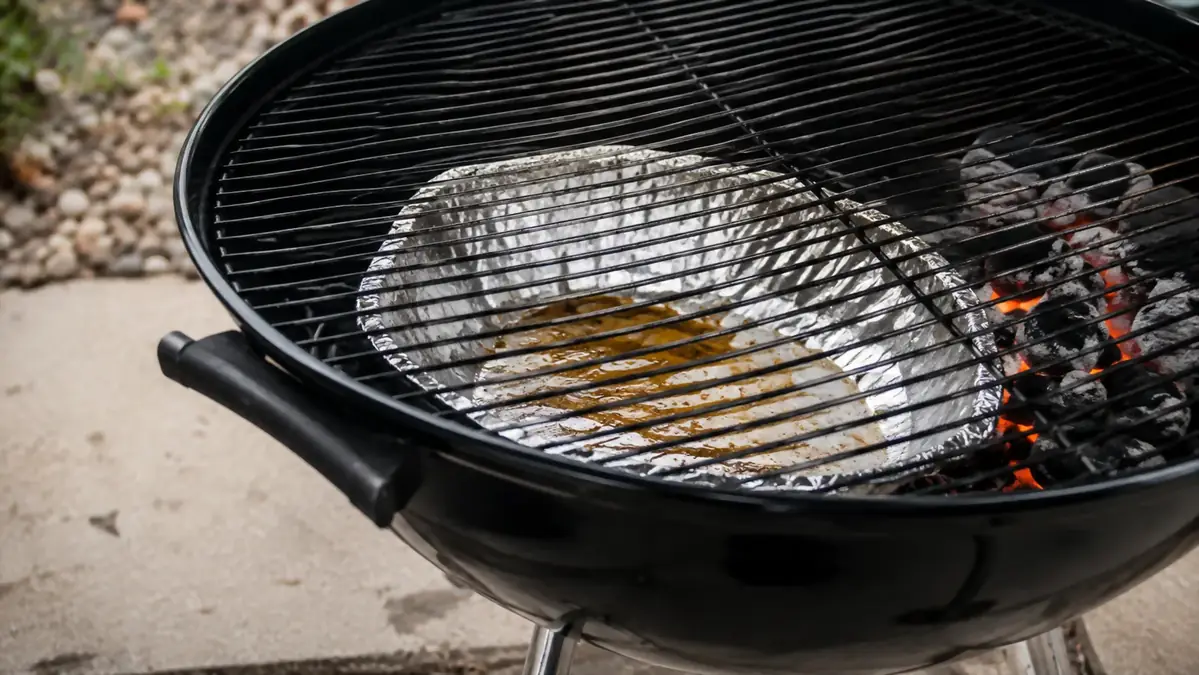
What Actually Decided It for Me
The cook that settled this for me was my brother's cattle-branding day two summers back. I had two racks of ribs and a pork shoulder going for around thirty people, which meant hours of steady drippings and zero attention I could spare to babysit a pan. I'd brought the foil setup because I hadn't bought the bucket yet, and by hour four it had sagged, tipped slightly toward one corner, and put a thin line of grease running toward the cooler where the drinks were sitting. Nobody got hurt, but it was close enough that I went and bought the actual bucket system within the week.
Since then I haven't had a single grease incident on the Traeger. The bucket does exactly one job and it does it without me thinking about it, which is honestly the whole point of buying a dedicated tool instead of improvising one. I still improvise on the kettle because there's no other option, but I wouldn't go back to foil under the Traeger even if the bucket cost twice what it does now.
I'll admit some of this comes down to how much cooking you're actually doing. Renata jokes that between church potlucks, Danielle's friends taking over the driveway, and whatever excuse Owen finds to come by when there's brisket involved, we're running one grill or the other close to every weekend from spring through fall. That kind of frequency is exactly where a dedicated tool starts paying for itself instead of just sitting there.
Who Should Buy Which
If you're running a Traeger or any pellet grill most weekends, especially for longer cooks like brisket or pork shoulder, I'd buy the bucket system without much hesitation. The time it saves on cleanup and the mess it prevents on a windy day add up fast once you're cooking that often. It paid for itself the first time it kept a gust from putting hot grease across the patio while Renata had bare feet on.
If you're cooking occasionally, on a grill without a built-in drip system, or you just don't want another piece of gear taking up space, the foil pan does the job fine. It's not as clean, it's not as fast, and it won't hold up through a whole brisket cook without a swap, but it costs you almost nothing and it's gone the second you're done with it. I still keep a roll of heavy-duty foil in the kitchen for exactly that. For more on the actual maintenance routine once you've picked a side, I wrote up how to manage pellet grill grease with a bucket setup step by step, and if you want the long view on how the bucket's held up on my own rig, that's in my year-long grease bucket review.
One more thing worth saying. If you're only an occasional griller, maybe a handful of cookouts a summer, I wouldn't rush out and buy the bucket just because I like mine. The foil pan genuinely does the job for light use, and there's no shame in sticking with it. I'd rather you save the money for good rub or a better cut of meat, honestly. If a rub upgrade is on your list too, that's worth its own read, since the ten reasons I stopped skipping the grease bucket entirely covers the tipping point a little more directly than this comparison does.
See the Bucket That's Stopped Every Grease Mess on My Patio
Today's price on the Traeger grease bucket system, the one I still use every single cookout.
Amazon Check Today's Price on Amazon →